Roopkund Trek 2026: Complete Guide to Uttarakhand's Most Mysterious Mountain Journey
Your practical 2026 guide to the route, itinerary, altitude, difficulty, preparation, best time, packing, cost and safety.
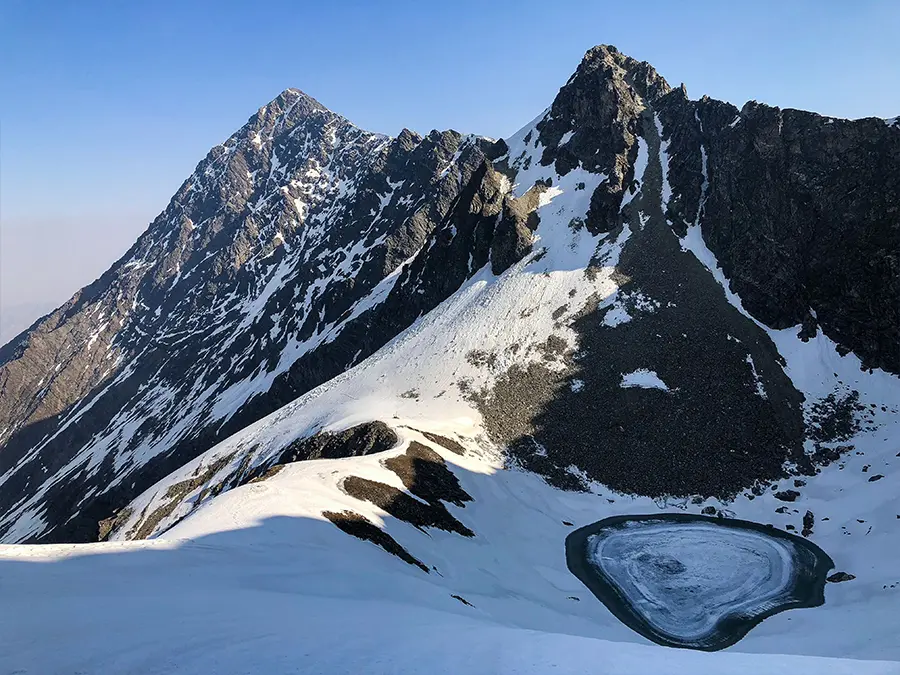 |
| Roopkund Lake |
Why Roopkund Trek 2026 is Calling Adventurers Back
There's something magnetic about high-altitude mountain adventures that draws trekkers back to the Himalayas year after year. The Roopkund Lake, nestled in the Himalayan ranges of Uttarakhand, is one such journey—a demanding, rewarding, and deeply mysterious mountain experience that returns to the trekking calendar in 2026 after a prolonged period of restrictions.
This isn't your typical trek where the scenery remains relatively similar from beginning to end. The Roopkund Trek Route constantly transforms. You begin among villages, terraced fields, and forest paths. Gradually, the landscape opens up into vast alpine meadows where the horizon stretches endlessly before you. But just when you're settled into the comfortable rhythm of meadow walking, the terrain shifts again. The vegetation becomes sparse. The air grows thinner. The environment feels distinctly harsh and exposed.
The mystery surrounding Roopkund Lake, with skeletal remains scattered around its shores, has inspired decades of speculation and scientific investigation. Modern research has revealed that the story is considerably more complicated than the popular legend suggests—making this trek even more compelling.
📍 In This Roopkund Trek Guide
- Understanding the Roopkund Trek Route
- Day-by-Day Roopkund Trek Itinerary
- Roopkund Trek Altitude & Acclimatization
- Roopkund Trek Difficulty Assessment
- Roopkund Trek Fitness Training
- Roopkund Trek Best Time to Visit
- Roopkund Trek Packing List
- Roopkund Trek Cost & Budget
- The Mystery of Roopkund Lake
- Safety Tips for High-Altitude Trekking
- Environmental Responsibility
- FAQ & Final Checklist
Understanding the Roopkund Trek Route
Let's start with the basics. The Roopkund Trek is an 8-day circular journey starting and ending at Lohajung. The trek covers approximately 55 kilometers through Uttarakhand's most stunning landscapes, reaching a maximum elevation of 15,750 feet at Roopkund Lake.
The Roopkund Trek Route follows a circular path rather than a simple there-and-back journey. This means you're constantly seeing new terrain, which many experienced trekkers consider one of Roopkund's greatest appeals. You won't trek the same trail twice.
Why the Roopkund Trek Route is Special
Unlike many mountain treks that maintain consistent scenery throughout, this route is a landscape chameleon. The lower sections feature traditional forest trails and village paths. As you climb higher, the landscape gradually transitions. Forests give way to open slopes. Then come the spectacular alpine meadows—Ali Bugyal and Bedni Bugyal—where massive grass-covered slopes stretch to the horizon.
But the trek isn't finished surprising you. After Patar Nachauni, the character changes dramatically. The terrain becomes increasingly rocky. Vegetation becomes sparse. By the time you're approaching Roopkund, you're in raw, exposed, high-altitude terrain.
The Daily Journey: Roopkund Trek Itinerary Breakdown
Understanding what each day will feel like is crucial for preparation. Let's walk through the 8-day Roopkund Trek Itinerary so you know exactly what to expect.
Day 1: Rishikesh to Lohajung (250 km | 10-11 hours)
Your trek technically begins with a long drive from Rishikesh to Lohajung. This is primarily travel rather than trekking. You'll leave in the morning and spend most of the day navigating mountain roads. 7 Days in Uttarakhand Himalayas
Day 2: Lohajung to Didna (6-7 km | 4-5 hours)
This is your acclimatization day. The walk from Lohajung to Didna is relatively gentle, covering only 6-7 kilometers. Pay attention to how your body responds during this important adjustment day.
Day 3: Didna to Ali Bugyal (10-11 km | 6-7 hours)
Now the trek begins in earnest. Today's climb to Ali Bugyal covers 10-11 kilometers. The reward is extraordinary: you emerge into one of the most stunning alpine meadows in the Himalayas.
Day 4: Ali Bugyal to Patar Nachauni (7 km | 4-5 hours)
You'll spend part of this day traversing through Ali Bugyal before moving toward Bedni Bugyal and eventually Patar Nachauni. The total distance is relatively short at 7 kilometers, giving you time to enjoy the meadow landscape.
Day 5: Patar Nachauni to Bhagwabasa (4-5 km | 4-5 hours)
The terrain begins to change noticeably. You're entering the high-altitude zone now. The vegetation thins out. The air becomes noticeably thinner. This is where Roopkund Trek Altitude effects become important.
Day 6: Bhagwabasa to Roopkund to Bedni Bugyal (14 km | 10-12 hours) - THE MOST DEMANDING DAY
This is the most demanding day of the entire trek. You'll cover approximately 14 kilometers over 10-12 hours. The journey includes a difficult climb to Roopkund Lake (the highest point), followed by a substantial descent toward Bedni Bugyal. My Trek to Roopkund
What makes this day particularly challenging is that it occurs after your body has already spent five days trekking. Your legs are tired. The air is thin. But the Roopkund Trek Altitude rewards those who push through.
Day 7: Bedni Bugyal to Lohajung (12 km + drive | 6-7 hours + drive)
After the intensity of Day 6, Day 7 feels manageable. You'll descend from Bedni Bugyal toward Wan, then continue through forest terrain back toward Lohajung.
Day 8: Lohajung to Rishikesh (250 km | 10-11 hours)
The final day is another long drive back to Rishikesh. Your Roopkund Trek is complete.
Roopkund Trek Altitude: The Hidden Challenge
If you're new to high-altitude trekking, this section deserves your full attention. The Roopkund Trek Altitude of 15,750 feet means your body must function with significantly less oxygen. This isn't something you can overcome through determination alone.
Understanding the Altitude Profile
Your trek begins at Lohajung at approximately 7,800 feet, gradually climbing through increasingly higher elevations. This progressive increase is beneficial for your body. Your system has time to adapt as oxygen availability decreases. But don't be fooled—even this gradual increase creates real physiological demands.
Altitude Sickness and Safety
Some people experience altitude sickness symptoms: persistent headaches, dizziness, nausea, or unusual breathlessness. These should never be ignored. Your health is infinitely more valuable than any summit.
Altitude Acclimatization Tips
- Don't rush uphill—maintain a sustainable pace for YOUR body
- Drink constantly throughout the day to stay hydrated
- Eat enough—don't skip meals thinking you'll reduce weight
- Communicate with your trek leader about how you're feeling
- Know the warning signs and report them immediately
- Remember that descending is always an option if symptoms become severe
Is Roopkund Trek Difficulty Right for You?
Let's be honest: Roopkund Trek Difficulty is rated moderate-to-difficult for good reason. This isn't an easy trek. But "difficult" doesn't mean "impossible." It means challenging, rewarding, and worth the preparation.
Why Roopkund Trek Difficulty is Significant
- It reaches 15,750 feet—significantly higher than introductory treks
- Multiple steep ascents and descents over 8 consecutive days
- The hardest day occurs when your body is already fatigued
- Thin air makes even moderate effort feel more demanding
- Rocky, uneven terrain at higher elevations requires careful footing
- Exposure to snow, loose rocks, cold wind, and rapidly changing weather
Who Should Trek Roopkund
The ideal trekker is someone who exercises regularly, has good cardiovascular endurance, and can comfortably handle long walking days. Previous experience with multi-day treks is valuable but not essential with proper preparation.
Can Beginners Trek Roopkund?
Not recommended for complete beginners, but potentially achievable for those with regular exercise habits and good endurance. Beginners should complete practice hikes and focus on Roopkund Trek Fitness training for 8-12 weeks before attempting this trek.
Roopkund Trek Fitness Training Guide
Effective Roopkund Trek Fitness preparation begins 8-12 weeks before your trek departure. This isn't optional—it's the difference between completing the trek comfortably and struggling.
Cardiovascular Training (4-5 days per week)
Your heart and lungs need to be strong enough to function efficiently at high altitude. Invest in activities that build cardiovascular endurance: brisk walking, jogging, cycling, stair climbing, or incline treadmill sessions. Mix steady-state cardio with interval training.
Strength Training (3 days per week)
Your legs will bear most of the load. Focus on squats, lunges, step-ups, and calf raises. These movements directly mimic trekking motions. Include core work—planks, mountain climbers, dead bugs—because core stability helps when carrying a backpack on uneven terrain.
Actual Hiking Practice (Weekly)
Nothing replaces time spent hiking on actual terrain. Weekend hikes on trails teach your body how to move on natural ground. Progress gradually. Start with 5-8 km hikes and gradually increase to 12-15 km weekend adventures.
Crucially, practice wearing your actual trekking backpack at its actual weight. A 10 kg backpack changes everything. The earlier you get used to this, the easier the actual trek will feel.
Roopkund Trek Best Time to Visit
Choosing the Roopkund Trek Best Time depends largely on what you want to experience and see on the trail.
Primary Trekking Months
April, May, June, September, and October are the principal trekking months for Roopkund Trek 2026.
May-June Experience
These early-season months offer spectacular snow on the upper route, creating a more wintry, adventurous feel. Snow can remain around the upper sections, making the trek feel more like a winter mountaineering experience. Visibility can be variable, and expect very cold nights at higher camps.
September-October Experience
Autumn trekking provides different rewards—potentially clearer skies, autumn colors on the meadows, and spectacular mountain views. Weather tends to be more stable. Nights are cold but generally more manageable than summer months.
Roopkund Trek Weather & What to Pack
Roopkund Trek Weather varies significantly between lower elevations and upper camps. At lower elevations, daytime conditions can feel relatively comfortable. But temperatures drop dramatically as the trail climbs.
Temperature Profile
- Lower villages: 10–20°C (50–68°F)
- Higher camps: 0–8°C (32–46°F)
- Roopkund summit: Below freezing, with wind making it feel much colder
Packing Strategy for Weather
The key to mountain comfort is layering, not wearing thick single garments. Your clothing system should consist of: a moisture-wicking base layer (keeps sweat off your skin), an insulating middle layer (fleece or down), and a waterproof outer layer (protects from rain and wind).
Add sunglasses and strong sunscreen—high-altitude sunlight is intense. A warm cap is essential. Gloves become crucial above 12,000 feet. Keep rain protection accessible, not buried in your backpack.
Roopkund Trek Packing List: Smart Packing
Packing smartly for your Roopkund Trek Packing List means carrying everything necessary while keeping weight manageable.
Clothing System
- Thermal or moisture-wicking base layers (multiple)
- Fleece or insulating mid-layer
- Warm insulated jacket
- Waterproof outer shell jacket and pants
- Warm cap or beanie
- Insulated gloves
- Multiple pairs of thick trekking socks
- Extra underwear
Footwear & Accessories
- Comfortable, broken-in trekking shoes with good grip
- UV-blocking sunglasses
- High SPF sunscreen
- Headlamp with extra batteries
- Trekking poles (especially helpful for descents)
Gear & Equipment
- 50-60L trekking backpack with rain cover
- Water bottles or hydration bladder
- Thermos for hot drinks
- Personal medications
- Small first-aid kit
Nutrition & Hydration
- Dry fruits and nuts
- Energy bars
- Electrolyte sachets
- Protein powder (optional)
Roopkund Trek Cost: Budget Planning
The advertised Roopkund Trek Cost is just the beginning. Understanding total costs prevents nasty surprises.
Official Trek Package Price
The current standard Roopkund Trek Cost is approximately ₹18,500 per person plus 5% GST (roughly ₹19,425 total). This typically includes accommodation, meals, trek leadership, support staff, camping equipment, medical supplies, permits, and transportation on specified sections.
What's Typically NOT Included
- Travel to Rishikesh (flight, train, or personal vehicle)
- Equipment rentals if you don't own trekking gear
- Personal purchases and souvenirs
- Travel insurance
- Additional hotel nights before/after trek
- Emergency expenses or evacuation costs
Realistic Total Budget Per Person
- Trek package: ₹19,425
- Travel to Rishikesh: ₹3,000–₹15,000
- Equipment rental: ₹2,000–₹5,000
- Travel insurance: ₹1,500–₹3,000
- Extra accommodation: ₹2,000–₹4,000 per night
- Personal supplies: ₹1,000–₹2,000
- Emergency contingency: ₹5,000–₹10,000
Total realistic budget: ₹35,000–₹60,000 per person
Roopkund Trek Guide: The Mystery of Roopkund Lake
Part of the appeal of a Roopkund Trek Guide is understanding the mystery surrounding the lake. Roopkund Lake gained fame as "Skeleton Lake" due to human skeletal remains discovered around its shores. But the scientific story is far more complex and fascinating than the popular legend.
What Science Revealed
A landmark 2019 study published in Nature Communications analyzed genome-wide DNA from 38 individuals found around the lake. The findings were surprising: the remains did not belong to one group from one period. Instead, researchers identified three genetically distinct groups with different ancestries spanning different centuries. Roopkund Trek for Corporate
This means the mystery of Roopkund Lake was not a single tragic event but rather multiple separate events spanning centuries. Different groups may have traveled to the lake at different times for different reasons.
Why This Matters for Trekkers
When you stand beside Roopkund Lake at 15,750 feet, you're standing at a place where real history occurred—history we're still working to understand. Treat the remains with respect. This is archaeological evidence, not a tourist attraction.
The Spectacular Meadows: Ali Bugyal and Bedni Bugyal
While Roopkund Lake gets the headlines, many experienced trekkers consider Ali Bugyal and Bedni Bugyal the trek's true treasures. These vast alpine meadows offer landscapes that make the entire journey worthwhile.
Ali Bugyal: Where the Forest Ends
After climbing through forests from Didna, the landscape suddenly opens. You emerge into Ali Bugyal—a massive, grass-covered alpine meadow where the horizon stretches impossibly far. The contrast is dramatic and breathtaking.
Bedni Bugyal: The Himalayan Vista
Bedni Bugyal offers another spectacular section with wide-open terrain and views toward major Himalayan peaks. The contrast between the dense forest lower down and these open meadow landscapes makes these sections visually unforgettable.
Environmental Responsibility
These bugyals are environmentally fragile. Alpine meadows recover slowly from repeated disturbance. When trekking through these landscapes, stay on appropriate trails, avoid unnecessary trampling, carry all waste, and respect camping rules. Green Trails Cleaning
Safety on the Mountain: Critical Trekking Tips
Safety begins with understanding that altitude changes the rules of normal trekking. Here are the practices that experienced mountain guides emphasize repeatedly.
Pace and Movement Safety
- Don't rush uphill because another trekker is moving faster
- Maintain a comfortable pace sustainable for your body
- Drink regularly throughout the day—constant hydration is essential
- Eat enough even if you're not hungry—your body needs fuel
- Keep warm clothing accessible for rapid temperature changes
- Use trekking poles on descents to reduce knee stress
Altitude Symptom Recognition
If you develop altitude sickness symptoms—persistent headache, nausea, dizziness, unusual fatigue, or breathing problems—inform your trek leader immediately. Don't hide symptoms because you're worried about missing the lake. Your health is more important than any summit.
Trail Safety
- Follow the planned route—no shortcuts or wandering
- Stay with your group at all times
- Carry a headlamp (delays can occur, especially on longer days)
- Keep phone and documents protected from moisture
- Listen to your trek leader's weather-related decisions
- Remember: a route safe at 9 a.m. may not be safe hours later if weather deteriorates
Roopkund Trek Preparation: Before You Book
Effective Roopkund Trek Preparation involves much more than buying trekking shoes a few days before departure.
8-12 Weeks Before
- Start Roopkund Trek Fitness training program
- Build cardiovascular endurance with brisk walking, jogging, or cycling
- Add strength training for legs and core
- Complete weekend hikes with your backpack
- Test all equipment on practice hikes
4-6 Weeks Before
- Increase hike distances and intensity
- Practice with your actual trekking backpack at full weight
- Review the Roopkund Trek Itinerary
- Check Roopkund Trek Best Time for your preferred dates
- Book your trek with a reliable operator
2-4 Weeks Before
- Finalize your Roopkund Trek Packing List
- Ensure all gear is broken in and comfortable
- Consult with your doctor about altitude acclimatization
- Book travel to Rishikesh with buffer days
- Get travel insurance
1 Week Before
- Review the Roopkund Trek Route and Roopkund Trek Distance
- Pack your bag with practice
- Ensure all documents are in order
- Check Roopkund Trek Weather forecast
- Get proper sleep and nutrition
Environmental Responsibility & Respecting Local Communities
As the Roopkund Trek regains popularity in 2026, each trekker has a responsibility to preserve both the landscape and the communities who call these mountains home.
Environmental Stewardship
- Use designated trails—don't create new paths through fragile meadows
- Follow camping instructions exactly
- Remove ALL waste (carry everything out, no littering)
- Use toilets and waste systems as instructed by operators
- Avoid leaving any plastic or food packaging behind
- Be particularly careful in alpine meadows where recovery is slow
Respecting Local Communities
The Roopkund Trek Route passes through villages that support trekking through transportation, accommodation, guiding, and other services. Spend money responsibly. Interact respectfully. These aren't theme parks—they're home to real people managing their daily lives.
Final Thoughts: Your Roopkund Trek Adventure Awaits
The Roopkund Trek offers something increasingly rare: genuine adventure in a remote, beautiful, mysterious place. This 8-day journey reaches 15,750 feet, covers 55 kilometers, and takes you through India's most spectacular Himalayan landscapes.
Yes, it's demanding. Yes, it requires training and respect for altitude. But trekkers who arrive prepared and maintain realistic expectations consistently describe Roopkund Trek 2026 as life-changing.
Focus on Roopkund Trek Preparation rather than simply booking the earliest available departure. Build fitness. Understand altitude. Carry appropriate equipment. Most importantly, treat the landscape and archaeological remains respectfully.
The mountains are calling. Are you ready to answer?
Frequently Asked Questions About Roopkund Trek
How high does the Roopkund Trek Altitude go?
The maximum Roopkund Trek Altitude is approximately 15,750 feet (4,800 meters) at Roopkund Lake. This makes altitude acclimatization and fitness particularly important.
How long is the Roopkund Trek Distance?
The Roopkund Trek Distance is approximately 55 kilometers covered over 8 days. Individual daily distances range from 4-5 km to approximately 14 km on the most demanding day.
Which month is Roopkund Trek Best Time?
The principal months are April, May, June, September, and October. May-June offer snow on the upper trail. September-October provide clearer skies and autumn landscapes.
What is the Roopkund Trek Difficulty?
Roopkund Trek Difficulty is rated moderate-to-difficult. The combination of high altitude, steep terrain, and long trekking hours makes proper preparation essential.
What is the Roopkund Trek Cost?
The standard Roopkund Trek Cost is approximately ₹19,425 per person. Total trip costs range from ₹35,000–₹60,000 per person including travel and extras.
Is Roopkund Trek suitable for beginners?
Not recommended for complete beginners, but achievable for those with regular exercise and good endurance. Focus on Roopkund Trek Fitness training for 8-12 weeks before attempting this trek.

.jpeg)


No comments:
Post a Comment