Bali Pass Trek 2026 Guide | Best Time, Cost, Route, Weather & Complete Itinerary
The Bali Pass Trek is a spectacular high-altitude Himalayan trek in Himachal Pradesh, India, known for its dramatic mountain passes, pristine alpine meadows, and panoramic views of snow-capped peaks. Located at an altitude of approximately 16,207 feet (4,940 meters), the trek typically takes 5–6 days to complete and is best tackled between June and September. The Bali Pass Trek route traverses through dense forests, open grasslands, and challenging high-altitude terrain, making it ideal for intermediate to experienced trekkers. Most Bali Pass Trek packages include accommodation, meals, experienced guides, and permits, with prices generally ranging from ₹8,000 to ₹15,000+ per person depending on the operator and season.
Why the Bali Pass Trek Is One of India's Most Thrilling Adventures {#why-bali}
The Bali Pass Trek stands out as one of the most dramatic and rewarding high-altitude trekking experiences in the Indian Himalayas. Located in Himachal Pradesh, this challenging adventure attracts seasoned trekkers from around the world seeking authentic alpine wilderness, dramatic mountain scenery, and genuine solitude far from crowded tourist trails.
Unlike popular treks that become congested during peak seasons, the Bali Pass Trek maintains a sense of isolation and adventure precisely because its difficulty level filters out casual hikers. The trail demands genuine fitness, mental toughness, and mountaineering spirit—qualities that create an exclusive community of dedicated adventure enthusiasts.
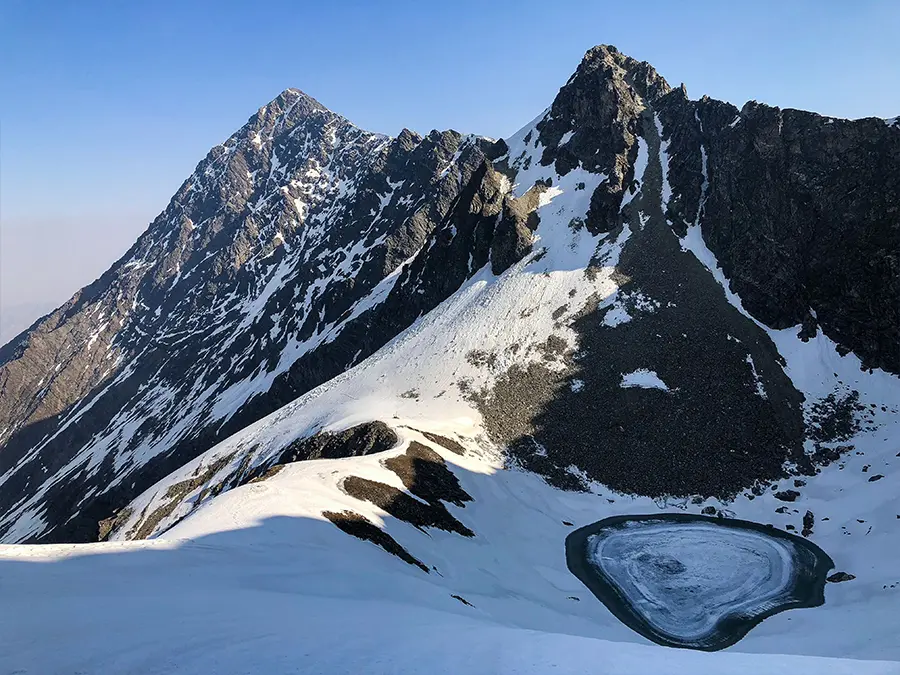
What makes the Bali Pass Trek truly special is its dramatic topography. The trek traverses through remarkably diverse ecosystems—from dense deodar and rhododendron forests filled with birdsong to windswept alpine meadows where only hardy grasses survive. The final approach to Bali Pass (16,207 feet) involves technical scrambling over rocky terrain and occasional snow patches, creating moments of genuine mountaineering challenge within a non-technical expedition.
The views from the pass reward every difficult step: 360-degree panoramic vistas of Himalayan peaks including Kala Nag, Thalayani, Bandarpunch, and countless unnamed summits stretching to the horizon. Clear autumn days offer visibility extending for 50+ kilometers—a perspective that fundamentally changes how trekkers understand the scale and majesty of the Himalayan range.
The Bali Pass Trek Guide typically describes this adventure as "the trek that separates casual hikers from true mountaineers." For those willing to embrace the challenge, Bali Pass delivers life-changing moments in one of Earth's most magnificent mountain environments.
Where Is Bali Pass Located? {#location}
Bali Pass is situated in the northern region of Himachal Pradesh, approximately 60–70 kilometers from the town of Mandi, in the districts bordering the Uttarakhand region. The trek's primary trailhead begins near Har-ki-Dun (also spelled Har ki Dun), a legendary valley steeped in Hindu mythology believed to be the "Valley of Gods."
The pass itself sits at an altitude of 16,207 feet (4,940 meters), positioned on the ridge dividing Himachal Pradesh and Uttarakhand. This geographical location creates the trek's defining characteristic: extreme exposure to weather patterns from multiple directions and dramatic altitude changes over short distances.
The approach to Bali Pass follows an ancient traders' route historically used by merchants and pilgrims traversing between the two states. Local shepherds still use these paths seasonally, adding cultural authenticity to the trekking experience. Small villages like Osla, Taluka, and Seema provide the last points of human habitation before trekkers enter the remote high-altitude wilderness.
What distinguishes this location geographically is its position on the Main Himalayan Thrust—a geological feature creating dramatic topography with steep valleys, sharp ridges, and exposed alpine terrain. This geological positioning ensures spectacular scenery throughout the trek while simultaneously creating the challenging conditions that demand respect and preparation from every participant.
Bali Pass Trek Quick Facts {#quick-facts}
| Feature | Details |
|---|---|
| Location | Himachal Pradesh, near Mandi |
| Maximum Altitude | 16,207 ft (4,940 m) |
| Trek Duration | 5–6 Days |
| Trek Distance | Approximately 35–40 km |
| Difficulty | Intermediate to Advanced |
| Starting Point | Taluka / Seema Village |
| Best Time | June to September |
| Ideal Age | 18–55 years (fitness dependent) |
| Accommodation | Camping at high altitude |
| Nearest Town | Mandi, Himachal Pradesh |
| Permits Required | Yes (forest department) |
| Technical Skills | Basic scrambling ability |
The Bali Pass Trek distinguishes itself through its combination of altitude, technical difficulty, and remote location. Unlike many accessible high-altitude treks, Bali Pass offers genuine mountaineering challenge while remaining within reach of well-prepared recreational trekkers. Current 2026 expedition schedules operate between June and September, with each month presenting distinct advantages and challenges.
Bali Pass Trek Difficulty Level: Is It for You? {#difficulty}
The Bali Pass Trek is classified as intermediate to advanced—a designation that carries genuine significance. This is not a trek for casual weekend hikers or those with minimal mountaineering experience. However, it remains achievable for recreational trekkers with solid cardiovascular fitness, mental resilience, and genuine mountaineering preparation.
The difficulty stems from multiple compounding factors: extreme altitude (16,207 feet), rapid altitude gain (climbing from 6,000 feet to 16,000+ feet in five days), technical scrambling sections requiring climbing ability, exposure to sudden weather changes, and psychological demands of remote high-altitude terrain.
Physical Challenges:
- Long daily hiking hours (6-8 hours) over uneven terrain
- Steep ascents and descents totaling 3,000-4,000 vertical feet daily
- Thin air reducing oxygen availability by 40% compared to sea level
- Technical scrambling requiring hand-and-foot climbing ability
- Unstable footing on loose rock and scree (small stones) slopes
Mental Challenges:
- Exposure on narrow ridges with significant drop-offs
- Decision-making during weather emergencies at high altitude
- Managing fear in exposed scrambling sections
- Enduring discomfort (cold, wind, hunger, fatigue) without quitting
The Bali Pass Trek Guide recommends 6-8 weeks of intensive physical preparation including:
Training Protocol:
- High-intensity cardio 4-5 times weekly (running, cycling, stair climbing)
- Weighted hiking with 15-20 kg backpack over hilly terrain
- Rock climbing or scrambling practice for technical sections
- Strength training focusing on legs, core, and grip strength
- Practice hikes gaining 3,000+ feet of elevation
Those with previous high-altitude trekking experience (completing treks at 12,000+ feet) have significantly better success rates. However, exceptionally fit individuals without prior altitude experience can succeed with a proper acclimatization strategy and professional guide support.
Bali Pass Best Time to Visit: Month-by-Month Guide {#best-time}
Choosing the Bali Pass Best Time is crucial because the pass remains snow-covered or inaccessible outside narrow seasonal windows. Unlike lower-altitude treks operating successfully over extended periods, Bali Pass demands precise seasonal timing for safety and accessibility.
Bali Pass Trek in June
June marks the opening of the trekking season when winter snow begins retreating to higher elevations. The lower portions of the trek have melted completely, revealing green meadows and flowing streams. However, significant snow still clings to the pass itself and upper trail sections.
Advantages:
- First opportunity to trek after winter closure
- Dramatic contrasts between green valleys and snow-covered peaks
- Fewer crowds compared to later months
- Days lengthen, providing extended hiking hours
- Unique experience combining spring flowers with alpine snow
Challenges:
- Snow patches create slippery, treacherous footing
- Weather remains unpredictable with sudden temperature drops
- Avalanche risk on steep sections with heavy snow cover
- Stream crossings swell with snowmelt, making fords dangerous
- Altitude challenges intensify in cold conditions
June suits experienced mountaineers comfortable with snow travel and winter conditions. Recreational trekkers should consider later months.
Bali Pass Trek in July
July represents the peak of the summer season when temperatures reach their highest and snow coverage minimizes significantly. The meadows transform into vibrant green carpets, streams flow steadily but safely, and the pass becomes increasingly snow-free.
Advantages:
- Most stable weather conditions of the season
- Minimal snow on the pass enables faster, safer travel
- Alpine meadows achieve maximum greenness
- Wildflowers bloom across high-altitude meadows
- Longest daylight hours support extended trekking days
- High success rate for reaching the pass
Challenges:
- Peak monsoon rains increase afternoon thunderstorm frequency
- Slippery terrain from rain and melting snow creates hazardous conditions
- Clouds frequently obscure summit views
- Occasional lightning risk on exposed sections
- Highest trekker congestion of the season
July offers the best balance of safety, accessibility, and scenic beauty for most trekkers.
Bali Pass Trek in August
August continues summer conditions with generally stable weather and minimal snow. The monsoon influence persists, bringing afternoon rainfall and occasional cloud coverage. Fewer trekkers attempt the pass as families prioritize school-calendar-bound vacation timing.
Advantages:
- Trail remains fully accessible with minimal snow
- Quieter experience with fewer trekkers on the trail
- Lush green landscapes at their absolute peak
- Reliable daily weather patterns
- Excellent for solitude-seeking adventurers
- Strong acclimatization time before high-altitude push
Challenges:
- Afternoon thunderstorms remain frequent and unpredictable.
- Cloud coverage obscures panoramic views regularly
- Muddy sections require careful footwork
- Higher humidity creates challenging sleeping conditions
- Wet gear becomes significant weight burden
August suits experienced trekkers seeking solitude and comfortable conditions over optimal weather clarity.
Bali Pass Trek in September
September is considered by many as the absolute best month for the Bali Pass Trek. The monsoon withdraws, leaving crystal-clear skies and exceptionally stable weather. Daytime temperatures remain comfortable while nights turn crisp and cold.
Advantages:
- Exceptional clarity enabling 50+ kilometer visibility
- Fully snow-free pass with stable, safe footing
- Dry conditions mean firm trails and safe creek crossings
- Vibrant meadows maintain green color from monsoon moisture
- Lowest precipitation probability of the season
- Highest success rate reaching the pass safely
- Clearest astronomical views at night
Challenges:
- Increasing crowds of trekkers (though still fewer than Bhrigu Lake or Hampta Pass)
- Slightly colder night temperatures requiring adequate insulation
- Some vegetation begins changing color as autumn arrives
- Higher prices from operators capitalizing on optimal conditions
September represents the sweet spot—ideal weather, maximum safety, optimal views, and still-reasonable crowds.
Bali Pass Weather & Temperature Breakdown {#weather}
The Bali Pass Trek experiences dramatic weather variations across its brief trekking season. At 16,207 feet, the pass sits firmly in alpine climate territory where conditions change rapidly and unpredictably.
June Weather:
- Daytime temperatures: 5-12°C (41-54°F)
- Nighttime temperatures: -5 to 0°C (23-32°F)
- Precipitation: Mixed rain and snow
- Wind: Moderate to strong, especially at high elevations
July Weather:
- Daytime temperatures: 10-18°C (50-64°F)
- Nighttime temperatures: 0-5°C (32-41°F)
- Precipitation: Frequent afternoon thunderstorms
- Wind: Moderate, with occasional strong gusts
August Weather:
- Daytime temperatures: 8-16°C (46-61°F)
- Nighttime temperatures: 0-5°C (32-41°F)
- Precipitation: Regular afternoon showers
- Wind: Variable, generally lighter than summer months
September Weather:
- Daytime temperatures: 5-15°C (41-59°F)
- Nighttime temperatures: -5 to 0°C (23-32°F)
- Precipitation: Minimal, occasional light showers
- Wind: Strong, especially mornings and evenings
General Principles: Every experienced Bali Pass Trek Guide emphasizes that high-altitude weather is unpredictable. Clear mornings transform into afternoon thunderstorms. Temperature swings of 15-20°C between sun and shade occur regularly. Layered clothing, waterproof protection, and mental flexibility regarding weather changes are essential throughout the season.
Complete 5-6 Day Bali Pass Trek Itinerary {#itinerary}
The standard Bali Pass Trek itinerary spans 5-6 days including acclimatization and contingency time.
Day 1: Arrival at Taluka / Seema
- Drive from Mandi (8-10 hours) to Taluka/Seema village
- Settle into village accommodation
- Acclimatize at approximately 6,400 feet elevation
- Organize final gear and guide briefings
- Early sleep for next day's ascent
Day 2: Taluka to Osla Meadows
- Trek duration: 5-6 hours
- Elevation gain: 3,000 feet (to approximately 9,400 feet)
- Terrain: Forest trails, gradual ascent through deodar and rhododendron forests
- Camping location: OslaMeadowss (scenic alpine grassland)
- Activities: Wildlife spotting, acclimatization walks
Day 3: Osla Meadows to Bali Base Camp
- Trek duration: 6-7 hours
- Elevation gain: 3,200 feet (to approximately 12,600 feet)
- Terrain: Steep ascent through forests transitioning to alpine meadows
- Notable feature: Crossing multiple streams and challenging ridge sections
- Camping location: Bali Base Camp (final pre-pass camp)
- Physical challenge: Noticeably thinner air; slower pace essential
Day 4: Bali Base Camp to Bali Pass to High Camp
- Trek duration: 7-8 hours (longer day)
- Elevation gain: 3,600 feet to pass (16,207 feet) then slight descent
- Terrain: Steep scrambling, exposed sections, rocky terrain, possible snow patches
- Major challenge: This is the summit day requiring mental strength and technical ability
- The pass itself: 360-degree panoramic views of Himalayan peaks
- Camping location: Descent camp slightly below pass (13,500 feet)
- Emotional significance: Reaching the pass represents major personal achievement
Day 5: High Camp to Uttarkashi Path Descent
- Trek duration: 5-6 hours
- Elevation loss: 3,000 feet
- Terrain: Steep descent on scree slopes and rocky terrain
- Landscape transition: Alpine to forests
- Camping location: Lower meadow camp (approximately 10,500 feet)
- Recovery: Significant muscular fatigue from pass descent; rest essential
Day 6: Return to Seema / Taluka
- Trek duration: 4-5 hours
- Elevation loss: 4,000 feet
- Final descent through forests returning to village
- Arrival at Seema/Taluka in the afternoon
- Celebration and post-trek recovery begins
Bali Pass Trek Package: What's Included & Excluded {#package}
Selecting the right Bali Pass Trek Package significantly impacts safety, comfort, and overall experience. The high altitude and remote location make quality support services genuinely valuable.
Standard Package Inclusions:
- Professional trek leader with wilderness first-aid certification
- Experienced local guide familiar with pass conditions
- High-quality camping equipment (4-season tents, insulated mats)
- Warm sleeping bags rated for high-altitude cold
- All meals (breakfast, lunch, dinner) prepared fresh
- Drinking water and hot beverage services
- Forest department permits and entry fees
- Rescue coordination and emergency communication
- Oxygen cylinders for altitude support
- Medical kit and pulse oximeters for health monitoring
Premium Package Additions:
- Smaller group sizes (4-6 people vs standard 8-10)
- Professional photographer documenting journey
- Nutritionist-planned high-altitude meal optimization
- Satellite communication devices for emergency contact
- Enhanced weather briefings and safety protocols
- Post-trek altitude acclimatization support
- Individual health monitoring throughout trek
Typically Excluded (Budget Accordingly):
- Transportation to/from Mandi from other cities
- Personal travel insurance and evacuation coverage
- Pre-trek and post-trek accommodation in towns
- Trekking gear rental (though some operators provide)
- Porter services for additional personal luggage
- Meals outside the trek (town-based restaurants)
- Personal medications and supplements
- Tips for guides and support staff
- Alcoholic beverages and premium snacks
Reading the detailed package terms before booking prevents surprises and helps verify you're booking genuine quality support versus budget-cutting operators sacrificing safety for margins.
Bali Pass Trek Cost Breakdown 2026 {#cost}
The Bali Pass Trek Cost ranges considerably based on operator quality, group size, season, and inclusions. The technical nature and remote location command higher pricing than accessible treks.
Budget Packages (₹8,000–₹10,000 per person):
- Basic camping accommodation
- Standard meals (functional, not premium)
- Experienced trek leader (but possibly non-specialized)
- Forest permits included
- Basic first-aid support
- 8-12 person groups (larger, less personalized)
Mid-Range Packages (₹10,000–₹12,500 per person):
- Quality sleeping equipment and tents
- Certified mountain guides with rescue training
- Nutritious, well-prepared meals
- Oxygen cylinders and pulse oximeters included
- Small group experience (6-8 people)
- Professional photography documentation
Premium Packages (₹12,500–₹15,000+ per person):
- High-end expedition-grade equipment
- Expert mountaineering guides with multi-pass experience
- Gourmet high-altitude meal planning
- Advanced medical monitoring equipment
- Satellite communication and weather briefings
- Very small groups (4-5 people)
- Professional wilderness medicine support
- Comprehensive insurance and emergency protocols
Cost Variation Factors:
- Season: September costs 15-20% more than June
- Group size: Smaller groups incur higher per-person costs
- Lead time: Early bookings sometimes receive 5-10% discounts
- Package premium: Safety-focused operators cost 20-30% more than budget operators
- Guide expertise: Guides with multiple pass summits command premium rates
Before booking the cheapest Bali Pass Trek Package, remember that this trek's remoteness and altitude make professional support genuinely valuable for safety and success.
How to Reach Bali Pass Trek {#reach}
Reaching the Bali Pass trailhead requires navigating to Mandi district in Himachal Pradesh, then accessing remote villages. The journey itself is part of the adventure.
From Delhi:
- Distance: Approximately 500 km
- Route: Delhi → Chandigarh → Mandi
- Time: 10-12 hours driving
- Transportation: Shared cab, private vehicle, or combination bus/taxi
- Overnight stay in Mandi before trek departure
From Chandigarh:
- Distance: Approximately 300 km
- Route: Scenic drive through Himachal hills
- Time: 6-8 hours
- Route: Chandigarh → Kinnaur → Mandi
- Well-maintained highway with good facilities
From Other Regions:
- Shimla: 8-10 hours (via Mandi route)
- Manali: 12-14 hours (longer but scenic)
- Flight option: Delhi → Chandigarh (4 hours total travel)
Final Village Access: Most Bali Pass Trek packages include transportation from Mandi to Taluka or Seema village (primary trailheads). The road becomes progressively smaller and more challenging the closer to the villages. Jeeps or shared vehicles handle the final sections, arriving at village homestay accommodation where treks officially begin.
Pre-Trek Recommendations:
- Arrive one day before trek departure for acclimatization
- Acclimatize at Taluka/Seema (6,400-7,000 feet) before immediate ascent
- Use this time for final gear checks, water bottle filling, and equipment organization
- Early bedtime ensures good rest before strenuous day two
Fitness & Training Preparation {#fitness}
Preparing for the Bali Pass Trek demands genuine commitment. This is not a trek where showing up unprepared and hoping for the best works. Proper training dramatically improves both success rate and trekking enjoyment.
8-Week Pre-Trek Training Program:
Weeks 1-2: Foundation Building
- Establish baseline fitness with daily walking (30-45 minutes)
- Begin strength training (2-3 sessions weekly)
- Add cycling or swimming for cardiovascular base
- Target: Comfortable walking 8+ km without excessive fatigue
Weeks 3-4: Intensity Increase
- Incorporate hill training with 500+ meters elevation gain
- Weighted backpack hiking (10-15 kg) twice weekly
- High-intensity interval training (HIIT) 1-2 times weekly
- Rock climbing or bouldering gym sessions for technical practice
- Target: Comfortable hill hiking with loaded pack
Weeks 5-6: Altitude Simulation
- Stair climbing with weighted pack (40-50 floors with 15+ kg)
- Repeat hill workouts with increased pack weight
- Add sprint intervals on hills to build leg power
- Practice scrambling on rocky terrain when possible
- Target: 6-8 hour hiking days with elevation gain
Weeks 7-8: Peak Preparation
- Weekend practice hikes at 10,000+ feet if possible
- Taper main workouts while maintaining light activity
- Ensure complete rest 3-4 days before trek departure
- Practice sleeping in cold conditions (cold room training)
- Mental visualization of pass crossing
Specific Exercise Focus:
- Leg strength: Squats, lunges, step-ups, leg presses
- Core stability: Planks, dead bugs, bird dogs, Pallof presses
- Cardiovascular: Running, cycling, stair climbing, swimming
- Grip strength: Pull-ups, dead hangs, farmer carries
- Technical skills: Rock climbing, scrambling practice
Nutritional Preparation:
- Increase protein intake to support muscle development
- Stay hydrated daily (3+ liters of water)
- Eat carbohydrate-rich meals for energy storage
- Avoid heavy processed foods 4-6 weeks before trek
- Practice high-altitude nutrition (lighter meals, frequent snacks)
Mental Preparation:
- Visualize successfully reaching the pass
- Research altitude physiology to understand body responses
- Mentally rehearse difficult sections (scrambling, exposure, tiredness)
- Develop self-talk strategies for motivation during tough moments
- Accept that the trek will involve genuine discomfort
Complete Packing List for Bali Pass Trek {#packing}
High-altitude packing demands precision because weather changes rapidly and weight matters significantly on steep terrain.
Clothing & Insulation:
- 3-4 moisture-wicking base layer shirts
- 2-3 pairs thermal underwear (merino wool preferred)
- Fleece mid-layer jacket (primary insulation)
- Down or synthetic insulated jacket (heavy insulation)
- Waterproof/windproof outer jacket and pants
- Trekking pants (multiple pairs, quick-dry material)
- Warm woollen sweater or secondary mid-layer
- Insulated sleeping pants for nighttime warmth
- Thick merino wool socks (4-5 pairs minimum)
- Waterproof gloves with good grip
- Insulated mittens or heavier gloves
- Warm beanie/hat that covers ears
- Balaclava or face mask for wind protection
- Underwear and extra socks for each day
Footwear:
- High-quality mountaineering boots (broken in before trek)
- Gaiters protecting lower legs from snow and mud
- Tent shoes or comfortable camp shoes
- Emergency pair of extra-warm socks
Head & Face Protection:
- Sunglasses with UV protection (critical at altitude)
- Ski goggles or protective eyewear (for windy sections)
- Sunscreen SPF 50+ (altitude doubles UV exposure)
- Lip balm with SPF protection
- Nose balm (wind protection at pass)
Backpack & Gear:
- 50-60L trekking backpack with rain cover
- Trekking poles (reduce knee stress on descents)
- Headlamp with extra batteries (long-lasting type)
- Reusable water bottle or hydration bladder
- Insulated water bottle for hot beverages
- Insulated thermos for maintaining hot drinks
Personal Health & Hygiene:
- Basic medications (pain relievers, antacids, antihistamines)
- Altitude sickness medication (discuss with doctor)
- Blister treatment and prevention (moleskin, tape)
- Personal toiletries (biodegradable soap only)
- Toothbrush and toothpaste
- Feminine hygiene products if needed
- Toilet paper and small shovel (leave-no-trace)
- Hand sanitizer and wet wipes
- First-aid essentials (personal medicines)
- Sunburn relief medication
Electronics & Documentation:
- Camera or smartphone (fully charged, weatherproof case)
- Power bank with solar charging capability
- Headlamp or small flashlight
- Watch with timer function
- Identification and emergency contacts
- Travel insurance documents and permits
- Cash (small rupee notes) for local purchases
Optional but Recommended:
- Compression sacks for gear organization
- Emergency shelter or bivvy bag
- Whistle for emergency signaling
- Lightweight journal and pen
- High-altitude snacks (energy bars, nuts, chocolate)
- Portable water purifier for safety
- Emergency food rations (high-calorie)
- Repair kit (tape, patches, cord)
What NOT to Bring:
- Single-layer tents (won't handle high-altitude weather)
- Heavy cotton clothing (dangerous when wet)
- Full-size pillows (impossible to pack)
- Unnecessary weight (every kilogram matters)
- Multiple shoes (one pair is sufficient)
- Hair dryers or electronic luxuries
- Glass containers
- Large quantities of alcohol
Weight Reality: Your complete pack should weigh 12-16 kg for the trek. Every additional kilogram compounds difficulty significantly at altitude. Pack ruthlessly, choosing multi-purpose items and prioritizing safety over comfort.
Camping & Food Experience at High Altitude {#camping}
The Bali Pass Trek camping experience is dramatically different from lower-altitude trekking. At 12,000-16,000 feet, conditions become genuinely harsh.
Campsite Characteristics:
- Located in alpine meadows or rocky terrain near water sources
- Minimal vegetation and no shelter from weather
- Exposed to wind from multiple directions
- Ground frozen overnight (insulated mats essential)
- Crystal-clear night skies enabling star observation
- Morning temperatures dropping to -10°C or below
Tent Setup & Comfort:
- 4-season tents designed for high-altitude stability
- Heavy-duty stakes anchoring against wind
- Insulated ground mats preventing cold transmission
- Quality sleeping bags rated to -15°C minimum
- Hot water bottles placed in sleeping bags for additional warmth
- Sleeping position matters (huddle for body heat retention)
Food at High Altitude: Eating becomes genuinely challenging above 14,000 feet. Reduced oxygen decreases appetite while simultaneously increasing caloric needs. Quality operators recognize this and carefully design high-altitude nutrition.
Typical Daily Menu:
Breakfast (6:00-7:00 AM):
- Hot porridge with dried fruit
- Scrambled eggs or fried bread
- Toast with butter and jam
- Tea, coffee, or hot chocolate
- Optional: Honey or energy supplement
Trail Lunch (12:00-1:00 PM):
- Energy bars or trail mix
- Nuts and dried fruit
- Peanut butter sandwich or energy wraps
- Chocolate for quick calories
- Water and electrolyte supplements
- Altitude food (lighter than normal altitude food)
Dinner (6:00-7:00 PM):
- Light soup for hydration
- Rice, noodles, or pasta
- Vegetable curry or lentil dish
- Roti or flatbread
- Herbal tea or warm beverage
- Minimal dessert (digestive system works slower)
Hydration Protocol:
- Minimum 4-5 liters daily (far more than sea level)
- Warm beverages preferred (easier to consume)
- Electrolyte supplements replacing mineral loss
- Avoid caffeine after 2 PM (interferes with altitude sleep)
- Alcohol absolutely prohibited above 10,000 feet
Special Altitude Considerations:
- Smaller, frequent meals instead of large portions
- High-carbohydrate focus for energy efficiency
- Extra salt to aid water retention
- Ginger or peppermint teaforg nausea relief
- Gradual introduction to altitude eating patterns
Major Attractions & Highlights {#attractions}
The Bali Pass Trek rewards every challenging step with spectacular natural features and unique experiences.
Osla Meadows: The first major stopping point features endless alpine grasslands stretching to distant peaks. These meadows represent the transition from forest ecosystem to alpine environment. Local shepherds graze herds here seasonally, providing cultural insight.
Sacred Geography: The trek passes through regions with deep mythological significance. Local guides share legends of deities, sages, and spiritual warriors associated with specific locations. The spiritual dimension adds meaning beyond physical achievement.
Bali Pass Itself: The 16,207-foot pass represents the summit experience. Standing at this altitude, the curvature of the earth becomes evident. Himalayan peaks stretch infinitely in all directions—Hanuman Tibba, Swargarohini, Bandarpunch, Kinnaur Kailash, and countless nameless summits.
Wildlife Encounters: Experienced trekkers occasionally sight snow leopards, Himalayan bears, or high-altitude birds. More commonly, marmots, pikas (small high-altitude mammals), and alpine eagles inspire wonder. The silence and isolation of high-altitude terrain create profound wildlife observation moments.
Crystal Clear Streams: Multiple glacier-fed streams crossing the trek route flow with mineral-rich snowmelt. The purity and coldness of these waters reflect the high-altitude environment. Swimming is possible but only for the hardiest souls.
Panoramic Vistas: Each camp location offers commanding views. Sunrise from camp illuminates peaks with alpenglow—an extraordinary natural light show. Sunset creates equally dramatic color transformations. Nights reveal star fields impossible to see from lower elevations.
Solitude Experience: Unlike crowded popular treks, Bali Pass offers genuine wilderness solitude. Days pass without encountering other trekkers. This isolation creates space for reflection, personal growth, and deep nature connection.
Safety & Altitude Management {#safety}
High-altitude safety is non-negotiable on the Bali Pass Trek. Every trekker must understand potential risks and prevention strategies.
Acute Mountain Sickness (AMS):
Mild Symptoms (Common):*
- Headache (most frequent)
- Slight nausea
- Fatigue or lethargy
- Dizziness or lightheadedness
- Sleep disturbances
Severe Symptoms (Dangerous):*
- Persistent vomiting
- Severe headache unresponsive to medication
- Confusion or disorientation
- Ataxia (loss of coordination)
- Severe shortness of breath at rest
Prevention Strategies:
- Ascend gradually—allow 2-3 days acclimatization below 12,000 feet
- Hydrate aggressively (3-4 liters daily minimum)
- Eat regular carbohydrate-focused meals
- Avoid alcohol, sleeping pills, and smoking
- Sleep at lower altitude when possible (acclimatize low strategy)
- Monitor yourself and companions for symptoms
- Take prescribed altitude medications (Diamox) if recommended
Emergency Protocols:
- Descent is the only definitive AMS treatment
- Immediate descent if severe symptoms develop
- Never push through serious altitude sickness hoping symptoms improve
- Communicate symptoms immediately to guides
- Carry emergency communication devices
- Know nearest evacuation points and procedures
Technical Safety:
- Never attempt scrambling sections alone
- Follow guide instructions without question
- Use fixed ropes where provided
- Wear helmet in exposed scrambling sections
- Never venture off-trail regardless of seeming safety
- Manage exposure anxiety through breathing techniques
Weather Safety:
- Turn back if dangerous weather develops (lightning risk especially)
- Weather can change within minutes—stay alert
- Morning departures essential to avoid afternoon thunderstorms
- Carry emergency shelter (bivy bag) at all times
- Know lightning safety protocols
Responsible Trekking Practices {#responsible}
The Bali Pass Trek passes through pristine alpine wilderness. Every trekker bears responsibility for environmental stewardship.
Leave No Trace Principles:
- Pack out everything brought in (no exceptions)
- Human waste disposed of 100 meters from water sources
- Biodegradable soap only, far from streams
- Use established campsites—never create new impact
- Stay on marked trails preventing vegetation damage
- Collect all trash including small items (candy wrappers)
Wildlife Protection:
- Observe animals from a distance without approaching
- Maintain silence near wildlife areas
- Never feed animals (disrupts natural behaviors)
- Respect nesting birds and hibernating animals
- Report injured wildlife to guides
Community Respect:
- Support local guides and porters fairly
- Purchase provisions from local shops
- Learn basic Himachali phrases
- Ask permission before photographing people
- Respect local customs and religious sites
- Hire local support staff when possible
Water Conservation:
- Use water sparingly for hygiene
- Never use soap in water sources
- Minimize laundry (bring extra clothes instead)
- Report pollution or trash to operators
Choosing an environmentally-conscious operator ensures your trek actively supports conservation rather than contributing to environmental degradation.
Bali Pass vs Other High-Altitude Treks: Which Should You Choose? {#comparison}
Comparing the Bali Pass Trek with other high-altitude expeditions helps match adventure to your goals and experience level.
| Factor | Bali Pass Trek | Chopta Trek | Stok Kangri Trek |
|---|---|---|---|
| Altitude | 16,207 ft | 11,000-12,000 ft | 20,187 ft |
| Duration | 5-6 days | 3-4 days | 5-6 days |
| Difficulty | Intermediate-Advanced | Easy-Moderate | Advanced |
| Technical Skill | Basic scrambling | Minimal | Mountaineering required |
| Weather | Unpredictable | Stable | Extreme |
| Crowds | Low | Moderate-High | Low |
| Best For | Mountaineering-focused | First-time high-altitude | Expert mountaineers |
| Access | Remote villages | Well-developed trail | High-altitude expertise |
| Cost Range | ₹8,000-15,000 | ₹4,500-8,000 | ₹15,000-25,000+ |
Choose Bali Pass Trek if you:
- Seek high-altitude mountaineering challenge
- Have previous trekking experience at 12,000+ feet
- Value solitude and remote wilderness
- Want technical challenge without full mountaineering
- Prefer dramatic exposed sections and scrambling
- Are willing to accept unpredictable weather
Choose Chopta Trek if you:
- Are planning your first high-altitude adventure
- Have limited time (3-4 days only)
- Prefer established, heavily trafficked trails
- Want accessible altitude without technical challenge
- Value stable weather and predictable conditions
Choose Stok Kangri Trek if you:
- Have mountaineering training and experience
- Seek the ultimate high-altitude challenge
- Can commit 6+ days to expedition
- Are comfortable with technical rock and ice climbing
- Accept extreme weather and physical demands
Frequently Asked Questions {#faqs}
Q1: Is the Bali Pass Trek safe for first-time high-altitude trekkers?
The Bali Pass Trek is possible for fit first-time high-altitude trekkers, but intermediate to advanced treks like Chopta or Bhrigu Lake provide better introductions. If Bali Pass is your first high-altitude trek, ensure 8+ weeks of intensive training and consider the June option when you have maximum support time. Professional guide support becomes essential rather than optional.
Q2: What's the success rate for reaching the pass?
Success rates vary from 70-85% depending on operator, season, and group fitness. June has lower success rates (65-70%) due to snow conditions. September peaks at 85-90% due to optimal conditions. Early turnaround decisions by fit trekkers who lack acclimatization frequently explain summit failures—no shame in this wise decision.
Q3: How does Bali Pass altitude compare to other treks?
Bali Pass (16,207 ft) ranks among India's highest accessible treks. It's significantly higher than Bhrigu Lake (14,100 ft) or Chopta (12,000 ft), but lower than Stok Kangri (20,187 ft). The pass's high altitude combined with rapid ascent makes it more challenging than many higher-altitude treks with gentler elevation gain.
Q4: Can I trek Bali Pass if I've never high-altitude trekked?
Technically possible with aggressive training, but inadvisable. Complete at least one trek at 12,000+ feet first. This experience teaches your body's altitude response, teaches acclimatization strategies, and builds mental confidence. Then tackle Bali Pass with experienced guides and realistic expectations.
Q5: What makes Bali Pass harder than other high-altitude treks?
The combination of altitude, rapid ascent, technical scrambling, exposure, and remoteness creates cumulative difficulty. Unlike some accessible high-altitude treks, Bali Pass demands mountaineering spirit alongside cardiovascular fitness.
Q6: How do I handle altitude sickness if it develops?
Report symptoms immediately to your guide. Mild AMS often improves with rest, hydration, and lighter activity. Severe symptoms require immediate descent—no exceptions. Oxygen and medication provide temporary relief only; altitude descent is the only definitive treatment. Accept that turning back is the responsible decision if serious symptoms develop.
Q7: Should I use altitude sickness medication?
Discuss acetazolamide (Diamox) with your doctor 6-8 weeks before the trek. Some trekkers benefit significantly; others experience side effects. Using medication should supplement, not replace, proper acclimatization and hydration. Never rely on medication as a substitute for training.
Q8: What's the absolute minimum fitness required?
Comfortably walk 6-8 hours daily with elevation gain. Be able to complete a 10 km hike gaining 2,000+ feet without severe fatigue. Practice hill hiking with weighted pack (15+ kg). If these seem unreachable, honestly reconsider whether Bali Pass is appropriate for your current fitness level.
Q9: How cold does it get at high altitude?
Nighttime temperatures drop to -10 to -15°C at higher camps. Days remain cool (5-10°C). Wind chill makes it feel significantly colder. Quality insulation (down jacket, 4-season sleeping bag, thermal layers) is absolutely essential, not optional.
Q10: Can I do the trek solo or is a guide essential?
Guides are strongly recommended, genuinely important for safety. The remote location, technical scrambling, altitude risk, and weather unpredictability make professional guide support valuable. Solo trekking significantly increases risk. Organized groups with professional guides provide optimal safety and experience.
Conclusion
The Bali Pass Trek represents one of India's premier high-altitude mountaineering adventures. For trekkers willing to invest genuine preparation, mental toughness, and respect for mountain hazards, this expedition delivers transformative experiences unmatched by more accessible alternatives.
The dramatic altitude gain, technical scrambling challenges, exposed ridge sections, and remote wilderness combine to create a trek that separates serious mountaineers from casual hikers. Yet this very difficulty is precisely what makes Bali Pass so rewarding—the challenge ensures genuine accomplishment and profound personal growth.
Success on the Bali Pass Trek depends upon choosing the optimal season, committing to authentic training, selecting experienced guides, and maintaining realistic expectations regarding difficulty. September offers the most reliable conditions for most trekkers. June suits mountaineers comfortable with snow and cold.
The constantly changing landscapes—from dense forests to alpine meadows to exposed rocky passes—create the sense that this trek progresses through multiple worlds. The solitude, the altitude, the technical challenge, and the panoramic vistas combine into something greater than merely walking to a high point.
Whether you're seeking personal growth, mountaineering challenge, or ultimate Himalayan wilderness, Trek The Himalayas offers expert guidance and comprehensive support for this extraordinary adventure. The mountains demand respect, preparation, and genuine commitment. For those willing to answer that call, Bali Pass awaits.

.jpeg)
.jpeg)
.jpg)
.jpg)

.jpeg)
.jpeg)

